Many people’s first step after buying a new smartphone is applying a screen protector.
Yet today’s market offers overwhelming choices: tempered glass, hydrogel, privacy, ceramic, UV-cured, and matte films…
Priced from just a few yuan to dozens or even over one hundred, the more options you see, the more confused you get.
As a physical store that handles smartphones daily, we break down the pros and cons of each type, who they’re best suited for — and who should avoid them — so ordinary users can choose confidently and correctly.
I. Tempered Glass Film|The Most Universal & Reliable Choice — Preferred by 90% of Users
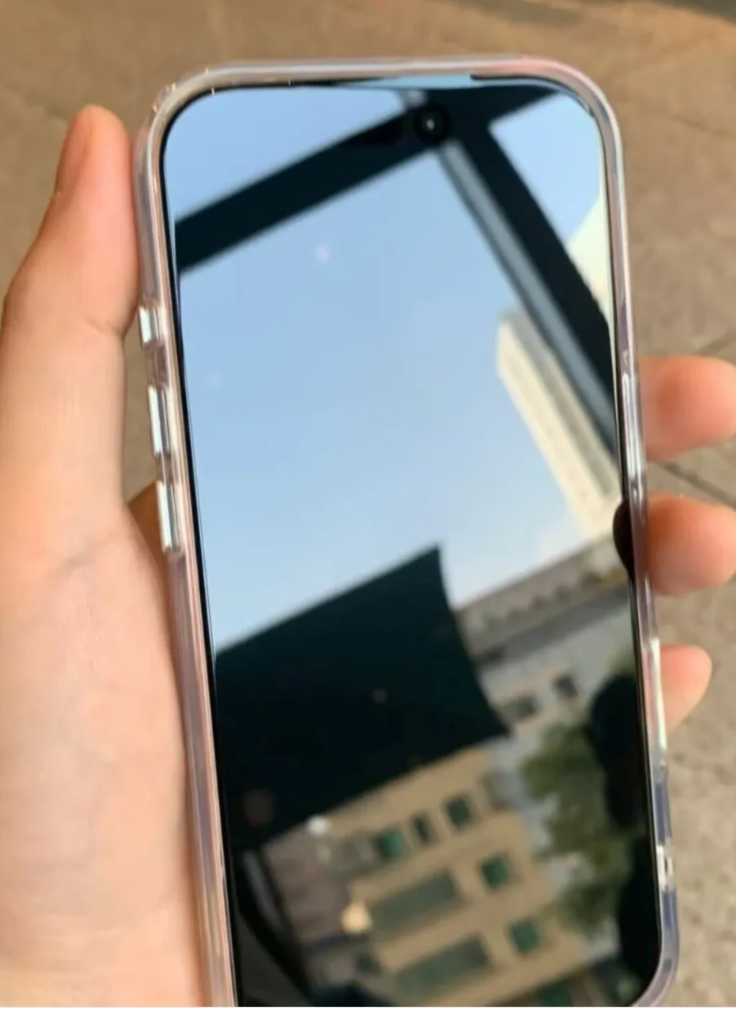
Pros:
- 1. High hardness — best protection against drops and scratches; everyday bumps pose no issue
- 2. Crystal-clear clarity and smooth touch — feels closest to bare-glass experience
- 3. Easy to apply, resists lifting at edges; if shattered, it cracks without damaging the screen
- 4. Affordable price — highest cost-performance ratio
Cons:
- 1. Dust easily accumulates along edges
- 2. Standard tempered glass films often don’t adhere well to curved-edge phones, leading to edge lifting
Best For:
Everyday users, owners of flat-screen phones, students, office workers, and seniors — go with tempered glass film without hesitation.
II. Hydrogel Film|Soft-Fit Film, Designed Specifically for Curved & Foldable Screens
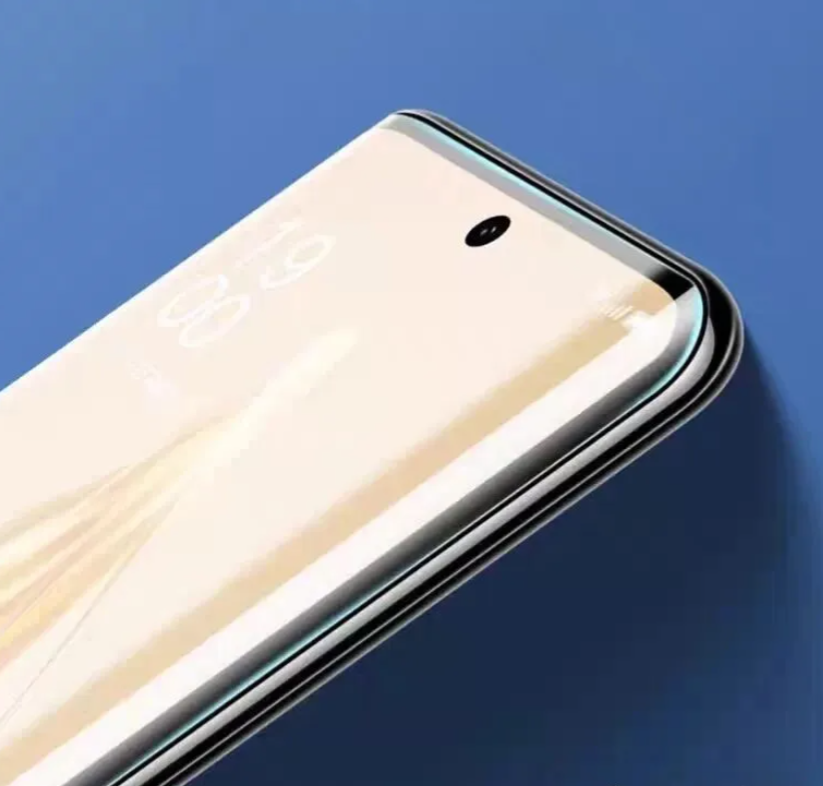
Pros:
- 1. Ultra-thin with exceptional conformability — ideal for curved-edge and foldable smartphones
- 2. Self-heals minor scratches automatically
- 3. No edge lifting; wraps tightly around screen contours
Cons:
- 1. Too soft — offers little drop protection; screen may be damaged upon impact
- 2. Prone to fingerprints and oiliness; surface feels sticky
- 3. Easily scratched — becomes hazy after prolonged use
Best For:
Owners of curved-edge or foldable smartphones who prioritize perfect fit and rarely drop their devices.
III. Privacy Film|Essential for Privacy Protection During Commuting & Office Work
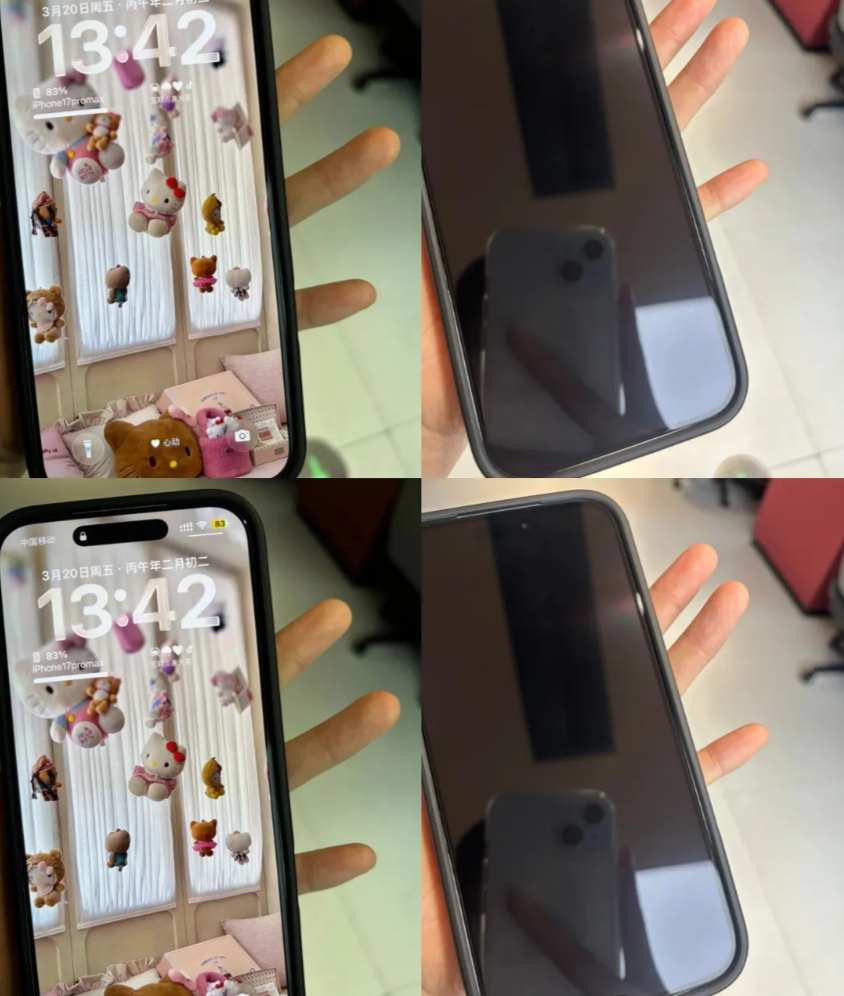
Pros:
- Blocks side-view visibility — prevents shoulder surfing and unauthorized photography on subways or in offices
- High-clarity versions offer decent light transmission for daily use
Cons:
- 1. Diminishes screen brightness — causes eye strain during extended use
- 2. Reduced light transmission makes nighttime phone use especially taxing
- 3. Pricier than standard protectors
Best For:
Professionals frequently working on-the-go or commuting, and privacy-conscious users. Not recommended for long-term student use.
IV. Ceramic Film|A Balanced Option Between Tempered Glass & Hydrogel
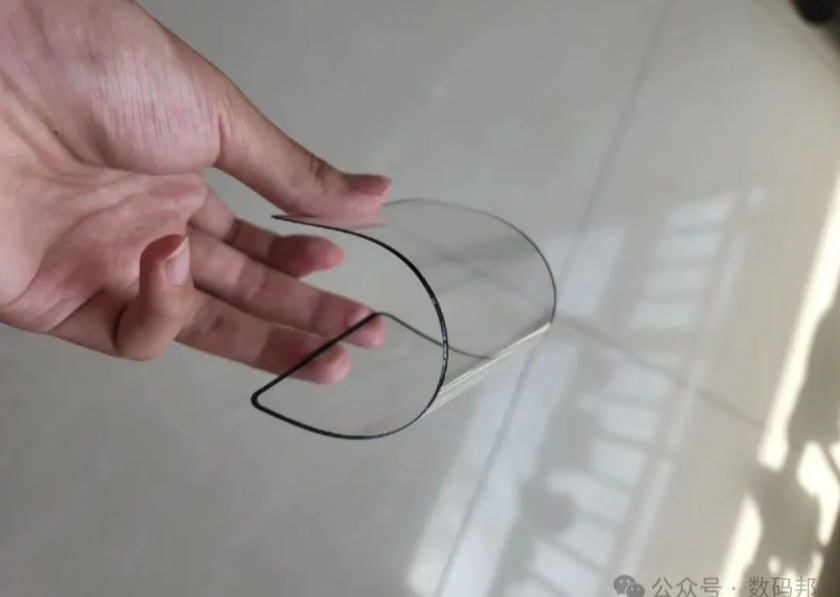
Pros:
- Better flexibility — less prone to shattering; superior fingerprint resistance vs. standard tempered glass
- Fits curved screens well and resists edge lifting; delivers a softer tactile feel
Cons:
- Lower hardness than tempered glass — moderate drop protection only
- Slightly higher price point
Best For:
Curved-screen users who want better edge adhesion than tempered glass but prefer more durability than hydrogel.
V. UV-Cured Optical Film|Full-Coverage for Curved Screens — Highest Aesthetic Appeal
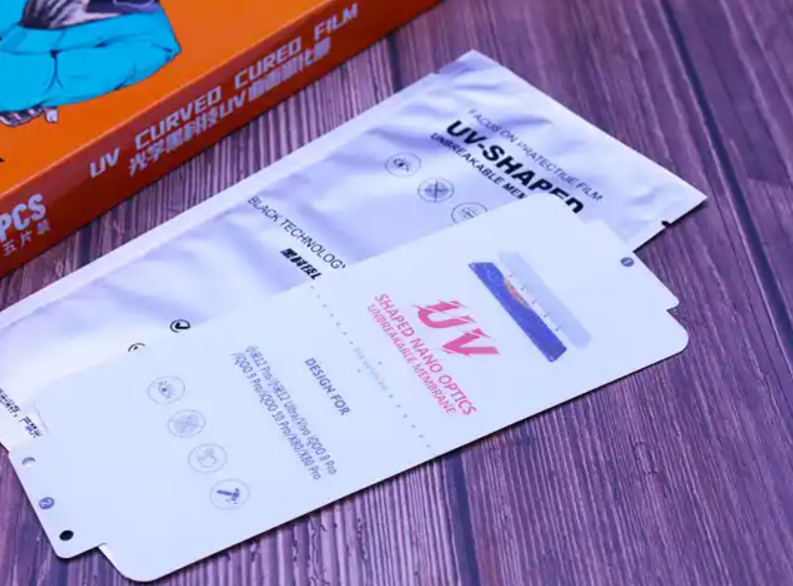
Pros:
- Seamless full-screen coverage — zero black borders; looks like no film is applied
- Exceptional clarity and premium touch feel
Cons:
- 1. Requires UV-curable adhesive — improper application risks dust ingress or speaker grille corrosion
- 2. Higher risk of screen damage if shattered — adhesive seepage may harm internal components
- 3. Extremely difficult to remove; replacement is cumbersome
Best For:
DIY-savvy users pursuing ultimate visual aesthetics — beginners should never attempt self-application.
VI. Matte Film|Designed Exclusively for Mobile Gamers
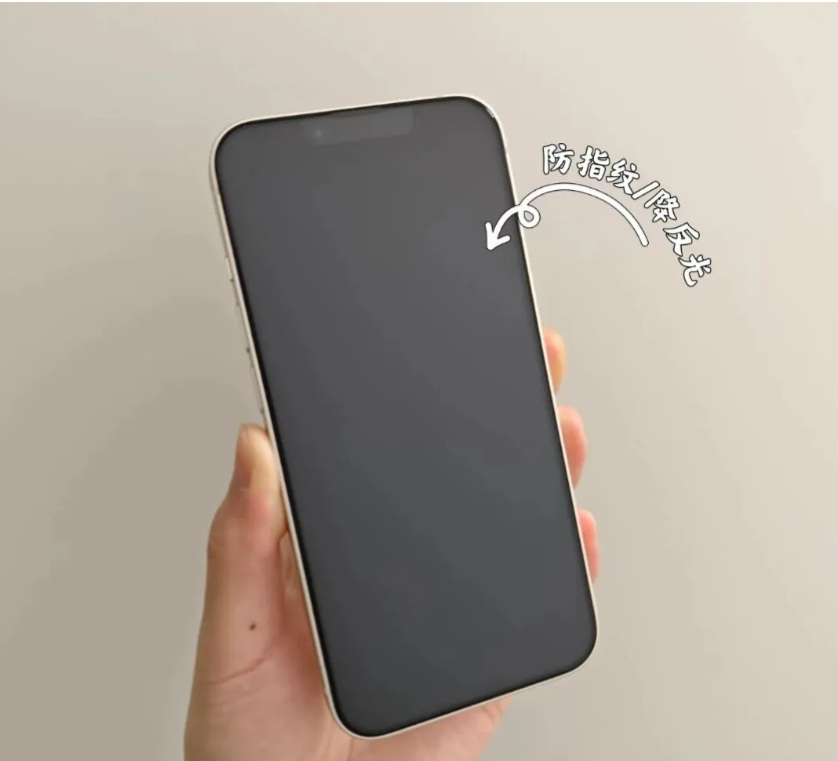
Pros:
- Fingerprint-resistant and non-slip — ultra-smooth control for mobile gaming
- No glare — maintains visibility under bright lighting
Cons:
- Reduces screen sharpness — lowers visual fidelity and causes eye fatigue over time
- Poor clarity — subpar experience for photography, video playback, and detailed tasks
Best For:
Mobile gamers and heavy in-game users.
The Simplest Buying Guide (Just Memorize This)
- - Flat-screen, everyday use: High-clarity tempered glass film
- - Curved-edge or foldable phones: Ceramic or hydrogel film
- - Frequent commuting & privacy concerns: Privacy film
- - Gaming enthusiasts: Matte film
- - Aesthetic perfectionists: UV-cured film (use with caution)
Many spend dozens or even over one hundred yuan on premium films — but it’s truly unnecessary.
For everyday use, a high-clarity tempered glass film costing just ~¥10–¥20 is the optimal choice.
You don’t need the most expensive option — what suits you best is what matters most.