When using your phone on the subway, in a café, or at the office, people nearby may sometimes see your chats, emails, or work documents. A privacy screen protector narrows the screen’s viewing angle, making it harder to view content from the side—adding a layer of visual privacy for everyday use.
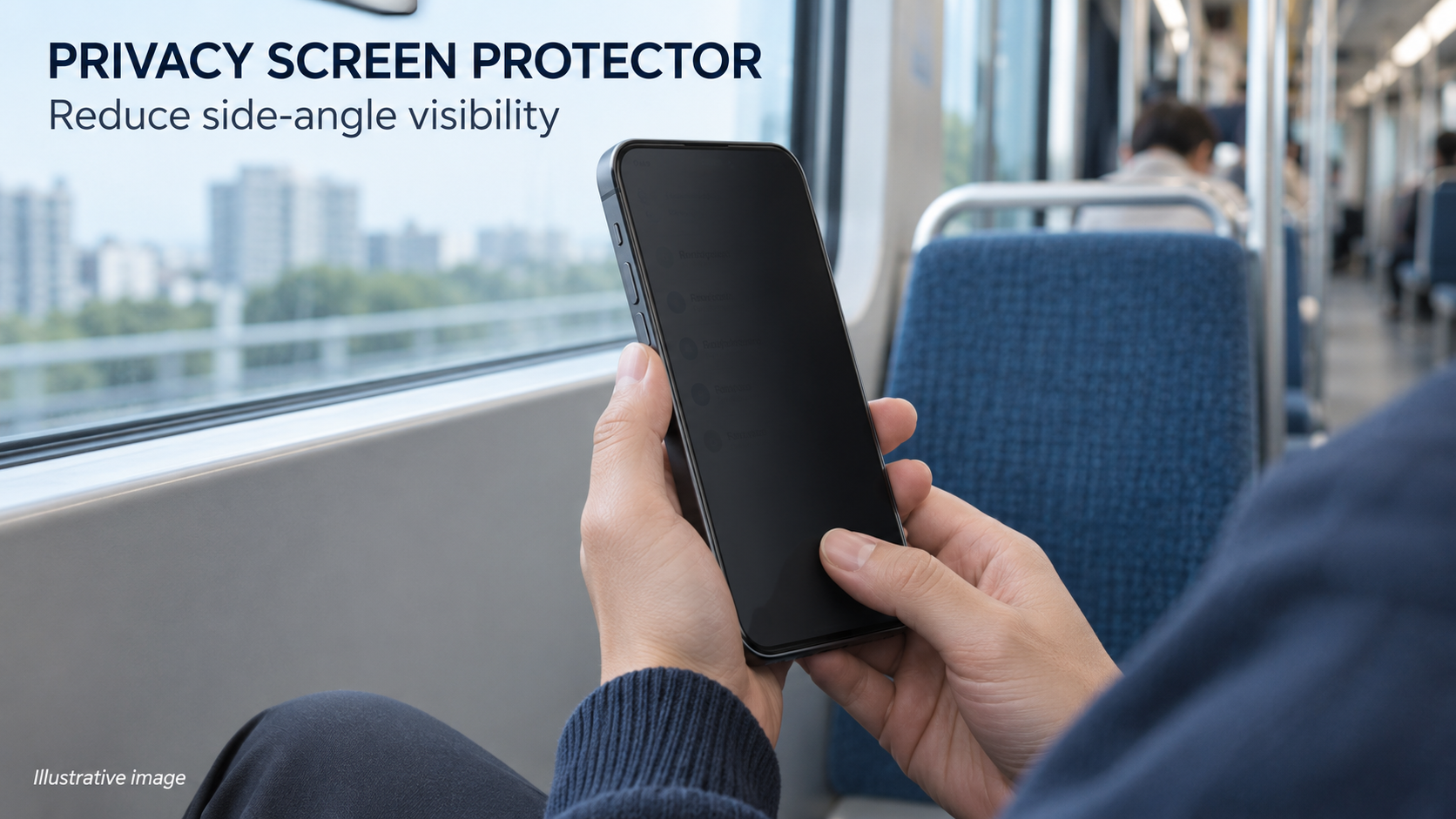
Fig. 1 Conceptual illustration of smartphone use in public spaces — AI-generated for reference only; does not represent real-world performance of any specific product.
Function of Privacy Screen Protectors
The English term for privacy screen protector is typically "Privacy Screen Protector." It adds an optical filtering layer over the display, allowing users within the normal viewing range to read content clearly, while significantly darkening the image and reducing contrast when viewed from restricted side angles—making content much harder to discern. [1]
"Privacy" does not mean the screen becomes completely invisible from all angles. Actual performance depends on film structure, screen brightness, viewing position, and ambient lighting. Privacy screen protectors reduce the chance of others seeing your screen directly—but they are not a substitute for lock-screen passwords, app permissions, or other information security measures.
How Privacy Screen Protectors Work
Most common privacy films use a micro-louver optical structure, known in English as "Microlouver." Think of it as an array of ultra-fine light-blocking slats embedded inside transparent material: light traveling near-perpendicularly passes through the channels, while light deviating beyond a certain angle gets blocked—thus limiting the angular distribution of emitted light. [2]
Therefore, privacy effectiveness hinges on controlling light emission direction—not surface reflection alone, nor blurring the displayed content. Different structures yield different viewing angles; the privacy angle of one product should never be assumed universal across all privacy films.
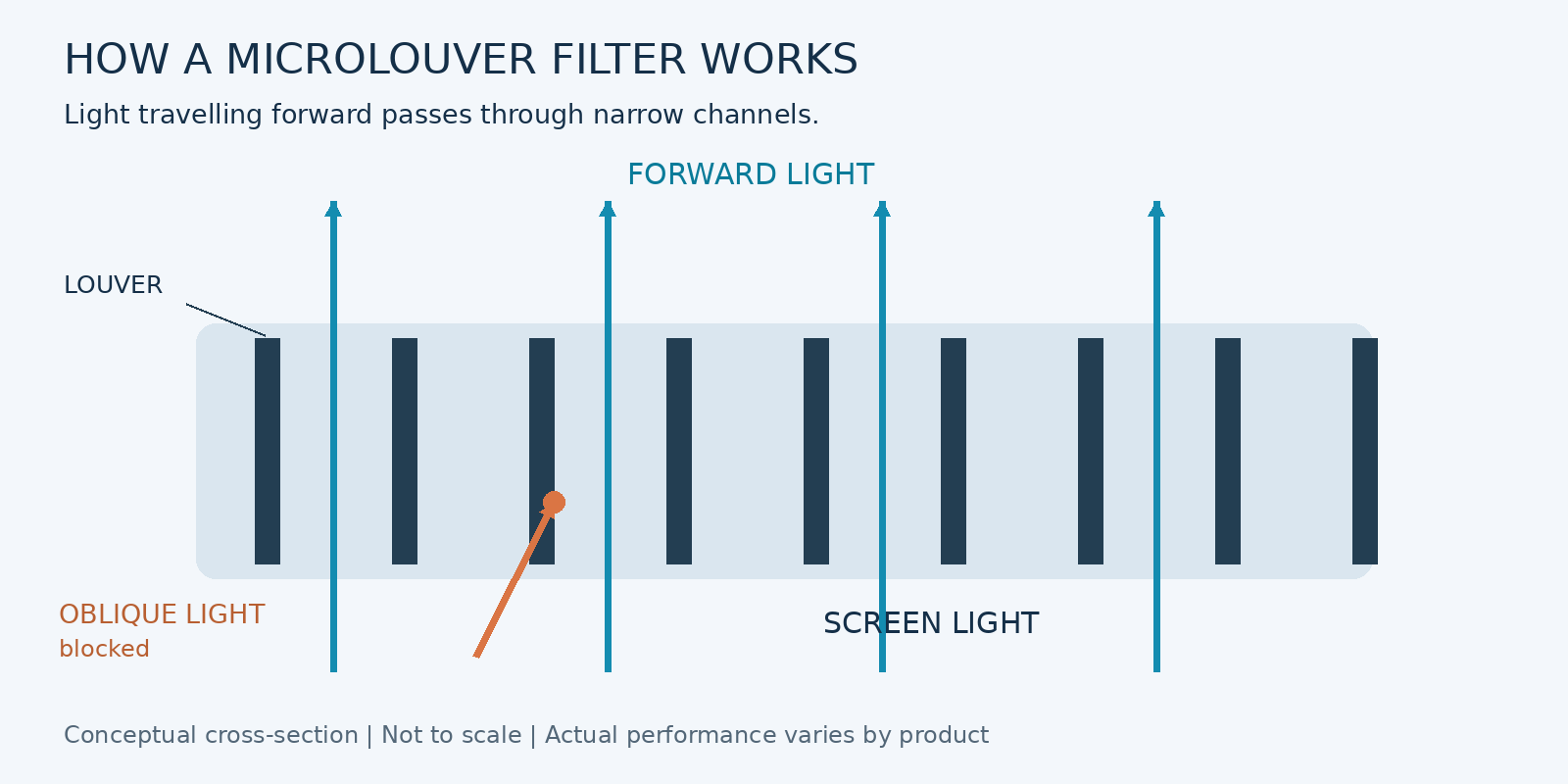
Fig. 2 Simplified schematic of the micro-louver principle — Not drawn to scale; no unverified privacy angles labeled.
Left-Right Privacy vs. Four-Direction Privacy
Left-right privacy products primarily restrict viewing from left and right sides; four-direction privacy products further limit visibility from top and bottom. When purchasing, verify the product’s specified viewing-direction restrictions—and test its actual performance during both portrait and landscape phone usage. [3]
If someone views the screen from within the permitted angle—for example, from directly behind the user along a similar line of sight—the privacy film may still fail to conceal content. When handling sensitive information, also pay attention to device orientation and surrounding environment.
Trade-offs to Understand Before Use
Brightness experience may change. The optical filtering layer affects light transmission, potentially making the screen appear dimmer after application. During selection, evaluate display clarity under typical brightness levels—especially for outdoor use and reading small text. [1]
Screen sharing requires positional adjustment. Since privacy films restrict side viewing, sharing photos, videos, or work documents with friends may require them to move closer to the front of the screen.
Privacy protection must be evaluated separately from other protective features. Scratch resistance, impact resistance, touch responsiveness, fingerprint recognition compatibility, and phone case compatibility depend on specific materials, models, and manufacturer specifications—not solely on the term "privacy."
How to Choose the Right Privacy Screen Protector
First, consider your usage scenario. If you frequently access private information during commutes or in public spaces, prioritize privacy functionality. If screen clarity, color fidelity, or multi-user viewing matter more, compare real-world performance between privacy films and standard high-definition screen protectors.
Second, confirm compatibility and physical performance. Verify your phone model, cutout layout, dimensions, and required privacy direction (e.g., left-right or four-direction). After application, check frontal clarity, side-view blocking, edge adhesion, and biometric unlock reliability. For retail or B2B procurement (e.g., Zhanwangxing, CutCan), confirm whether the product is pre-cut ready-to-apply film or blank film for cutting machines—and verify machine compatibility and cutting orientation (e.g., C5/C6/C5 Ultra support, OEM/ODM customization).
Conclusion
A privacy screen protector preserves front-facing readability while minimizing lateral information exposure. Understanding its working principle, directional limitations, and display trade-offs helps determine whether it truly meets your personal or professional needs.