What Screen Protectors Are Suitable for Curved-Screen Smartphones?
1. Hydrogel Film
Affordable and ultra-thin, but the screen must be completely dust-free during application—otherwise air bubbles easily form. As a soft film, it offers very poor scratch resistance and subpar tactile feedback; prolonged use may cause yellowing and aging. Its low cost allows frequent replacement.
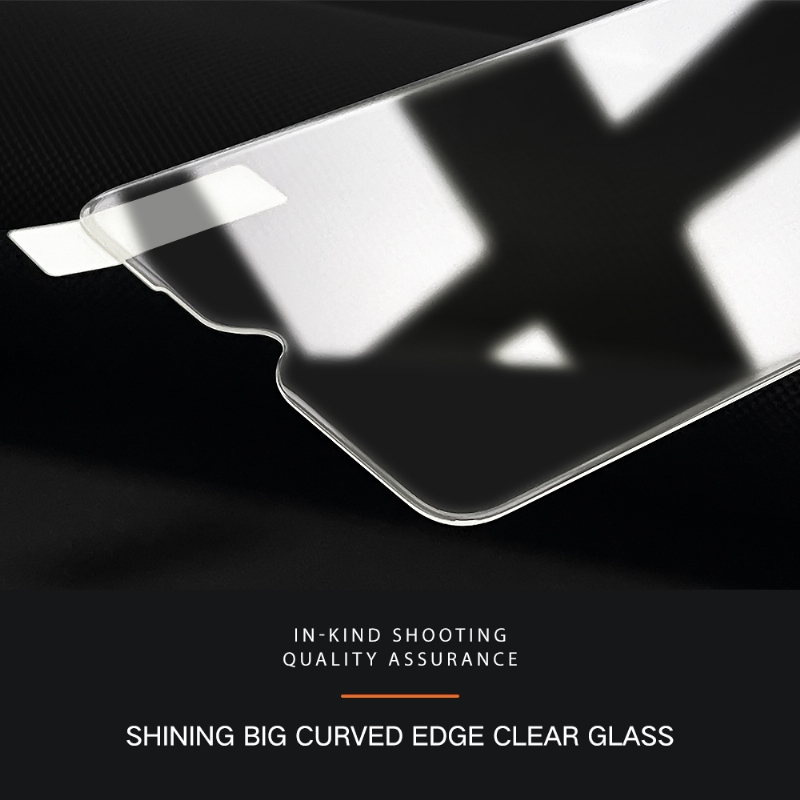
2. PET Film.
Also a soft film and equally ultra-thin, but priced higher. Application difficulty is similar to hydrogel film; hardness and tactile feel are superior to hydrogel film. However, quality varies significantly—except for Samsung’s original factory version, many third-party options perform nearly identically to hydrogel films, yet sell at even higher prices.
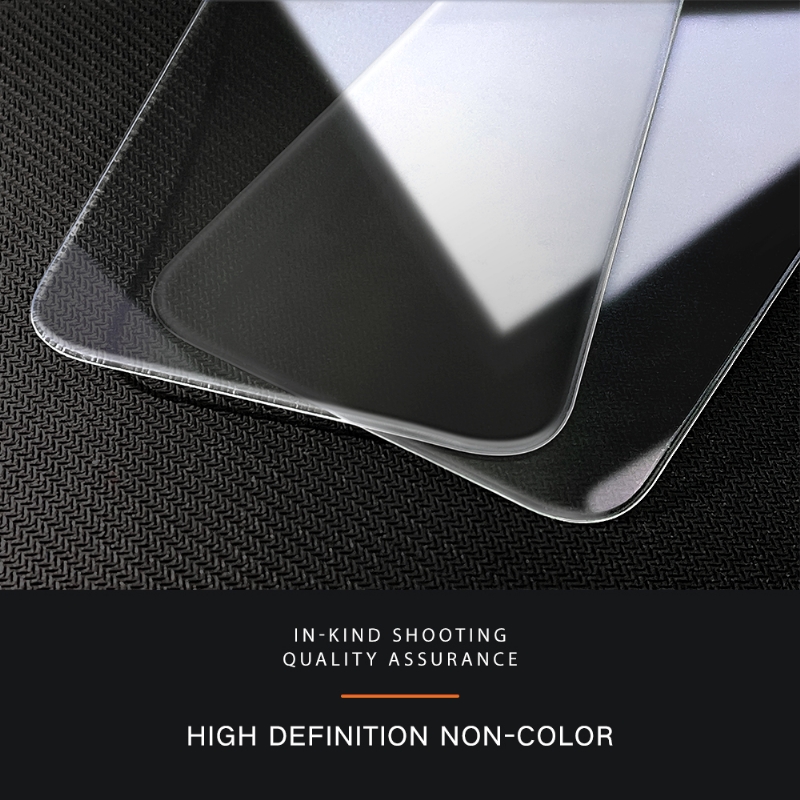
3. UV Tempered Glass Film.
As a tempered glass film, it features an oleophobic coating, delivering smoother operation and superior display clarity, along with enhanced scratch and wear resistance. However, its drawbacks are also evident: high application complexity—extremely difficult to install—and post-application issues such as edge shrinkage and rainbow patterns. Users who’ve encountered failures applying UV tempered glass film are welcome to share their painful experiences in the comments section.
Full-adhesive tempered glass films designed for curved screens tend to be relatively thick, making edge adhesion challenging. Unless specially engineered for fingerprint recognition, such films may reduce fingerprint sensor accuracy. Some users report occasional touch interruption after installation, and removal can be difficult. The advantage lies in superior scratch and wear resistance. Indeed, applying screen protectors to curved screens is inherently challenging. Our subjective recommendation is to start with hydrogel film: although it has various drawbacks, its affordability allows immediate replacement upon damage—and repeated application gradually lowers your learning curve.