As a senior engineer in the film-cutting machine industry, the author frequently receives customer inquiries about previously purchased machines that are locked into vendor-locked sales models—requiring users to buy proprietary consumables to operate. While these consumables are not only expensive but also limited in brand selection, customers have no choice: without using the vendor’s films, the machine becomes unusable. Many ask whether it’s possible to bypass the usage counter restrictions and free themselves from this lock-in. Below, the author provides a detailed technical explanation on this topic.
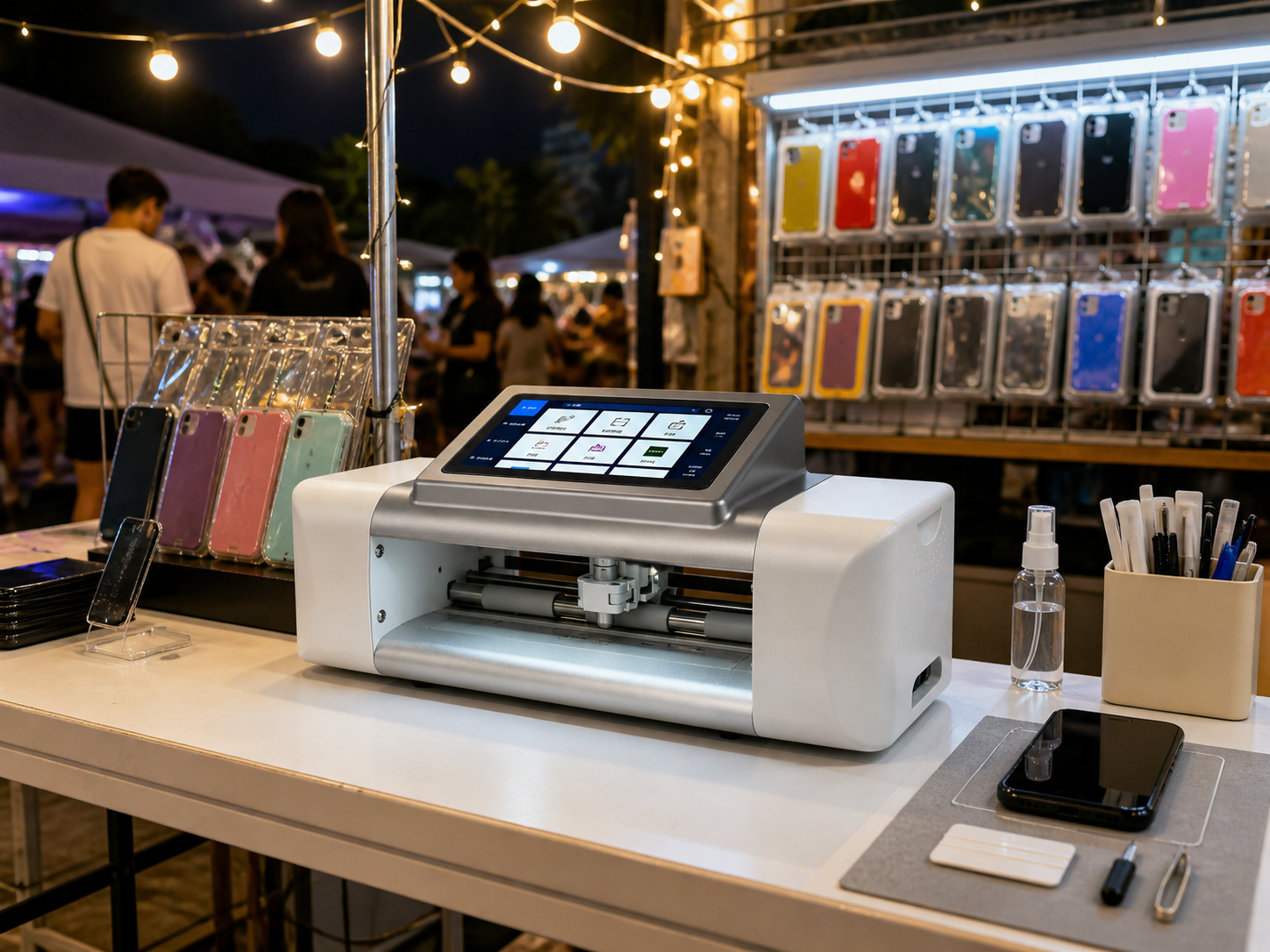
To Understand Whether Film-Cutting Machines Can Bypass Usage Limits, First Understand How They Work
A film-cutting machine typically refers to equipment used for cutting smartphone screen protectors. Based on cutting method, they fall into two categories: laser-based and blade-based machines. Regardless of type, their control principles are fundamentally identical.
The core capability enabling precise screen protector cutting lies in the machine’s application software—i.e., the mobile or tablet app. When users initiate a cut, the app retrieves design data from the manufacturer’s backend server and transmits it to the machine. Upon receiving both the design data and cutting instructions, the machine executes the command to cut the required smartphone model’s screen protector.
Of course, not all film-cutting machines can access server data. At the factory, each machine’s serial number is pre-matched with the server’s database, and the device is configured to enforce usage limits. Only the manufacturer—or authorized resellers—can grant cutting permissions via the backend system. Without such authorization, the machine cannot retrieve design data or function at all.
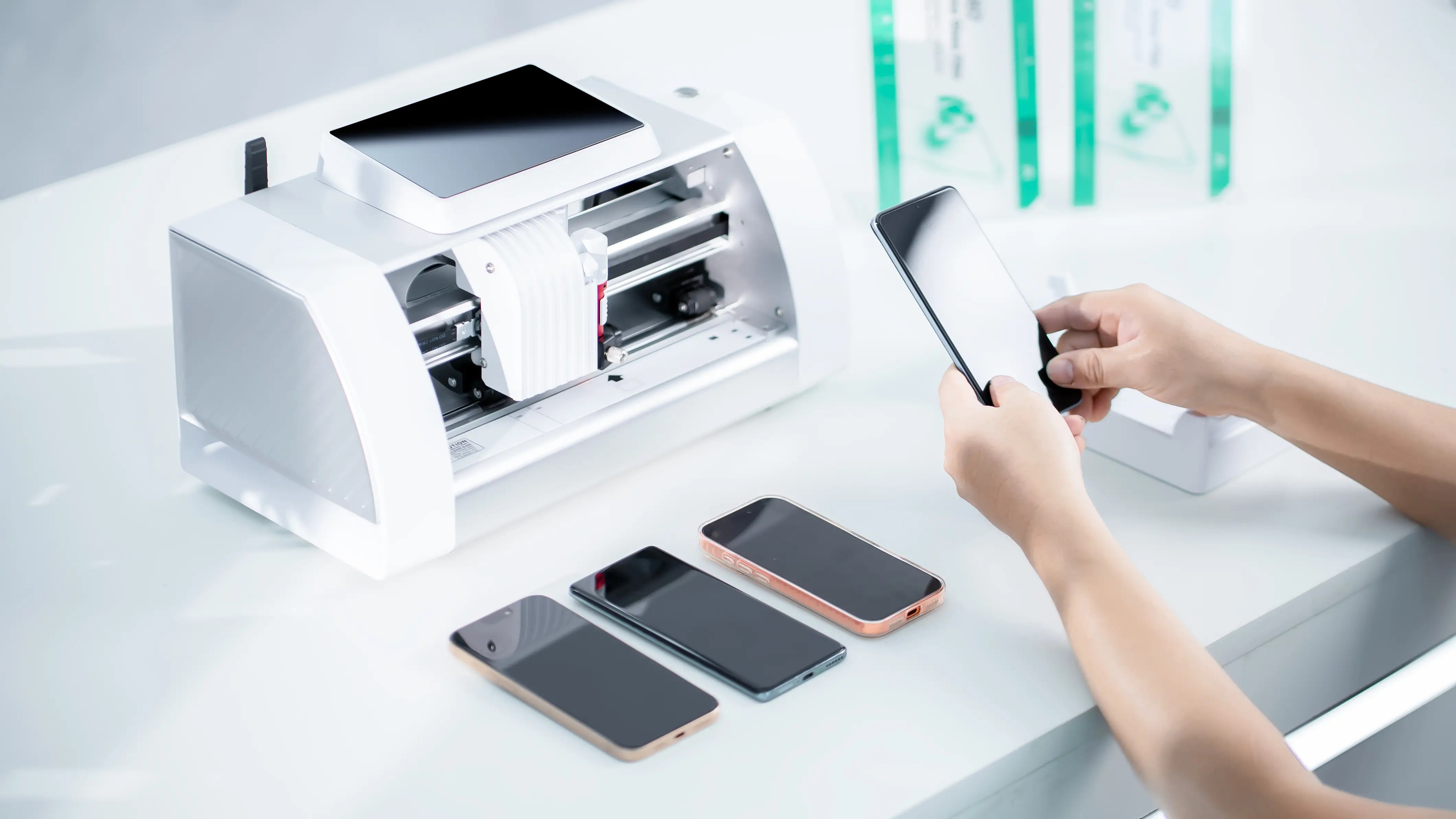
▲ Cutting flexible smartphone screen protectors
Three Possible Approaches to Bypass Cutting Limits
The first approach is to log into the manufacturer’s server backend and modify the machine’s cutting permissions—setting them to unlimited or allocating a large number of cuts. However, since backend administrative access resides solely with the manufacturer (or its authorized partners), end users essentially have no way to obtain such privileges. Thus, this method is practically unfeasible.
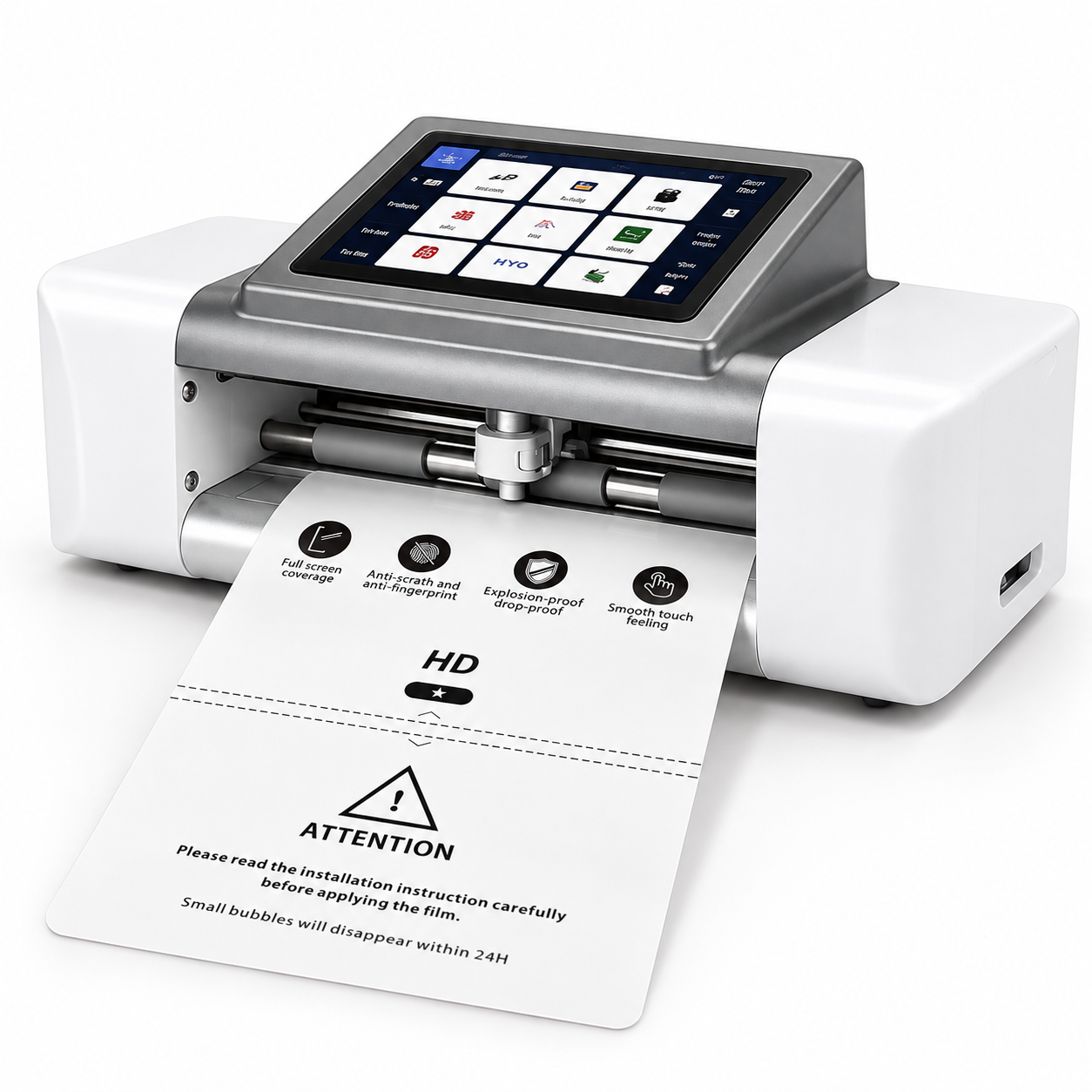
▲ Compact smartphone screen protector cutter
The second approach involves replacing the original control board (which enforces usage limits) with an unrestricted mainboard from another manufacturer. Naturally, the entire control system must be replaced as well—effectively transforming the unit (except for the frame itself) into a completely new machine from a different vendor. While this eliminates usage restrictions permanently, the cost of replacing the mainboard remains relatively high.
The third method is similar to the second—but significantly more cost-effective: flash the firmware/software from an unrestricted film-cutting machine onto the restricted machine’s mainboard using specialized programming tools. This overwrites the original firmware, allowing operation under the new unrestricted system. Compared to full hardware replacement, this method drastically reduces cost—but demands advanced technical expertise, appropriate tools, and foundational knowledge—making it inaccessible for most users.
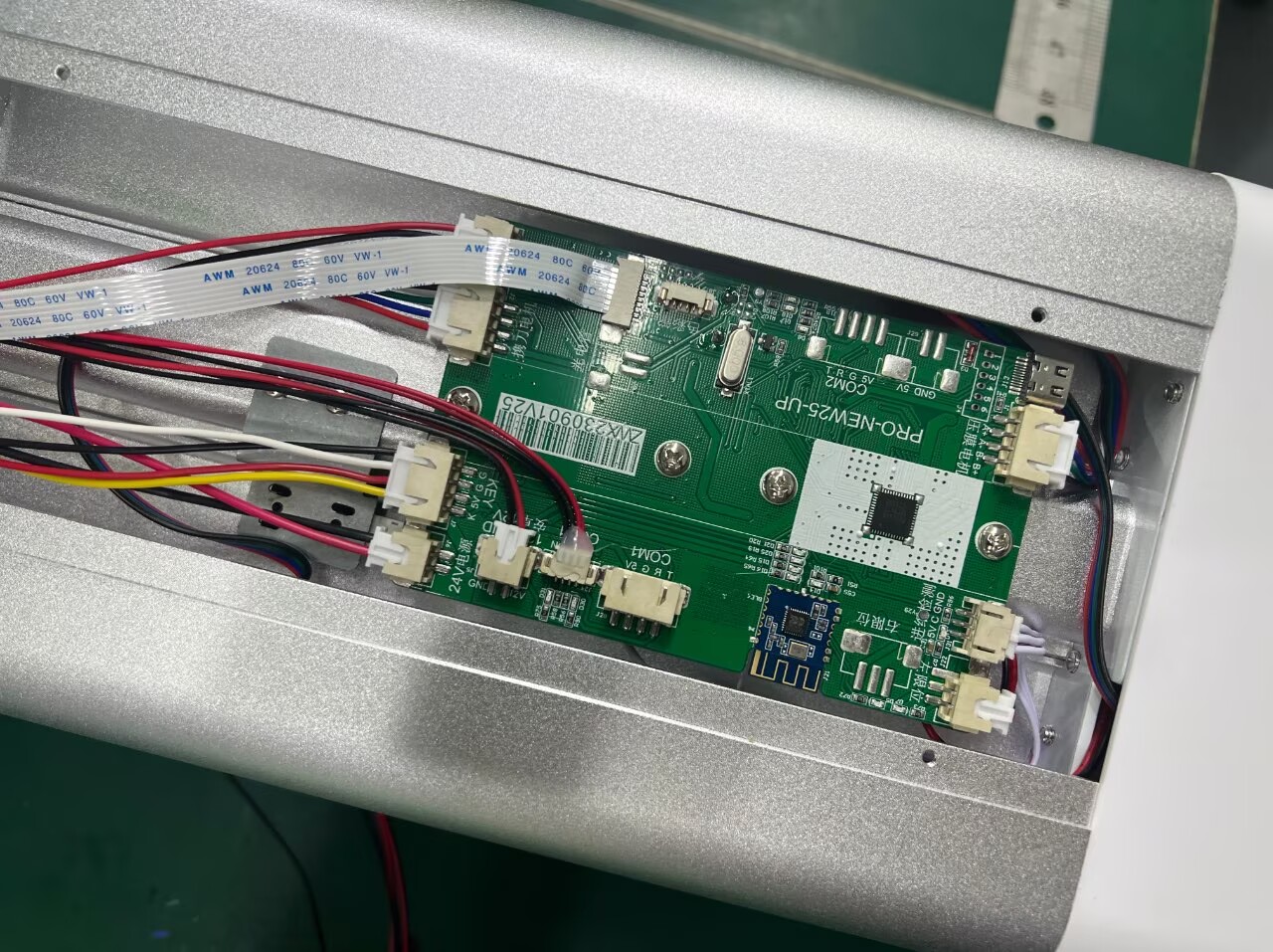
▲ Close-up of a film-cutting machine mainboard
Conclusion
Beyond these three methods, the author knows of no fourth viable way to bypass cutting limitations. Although we cannot technically circumvent these restrictions, we *can* vote with our feet—and choose to purchase unrestricted film-cutting machines instead. After years of industry development, relying on outdated lock-in sales models is increasingly out of step with market expectations. Consumers simply won’t accept it.